We run Proctor tests using a standard 5.5-lb hammer dropped 12 inches for the standard method, and a 10-lb hammer dropped 18 inches for the modified version. The mold is 4 inches in diameter with a removable collar. Soil passes through a No. 4 sieve. We compact the sample in three or five layers depending on the method. Each layer receives 25 blows from the hammer. After compaction we weigh the wet soil, dry it in an oven, and calculate moisture content. The process repeats at four to six different moisture levels. We plot the dry unit weight against moisture content to find the peak. That peak is the maximum dry density. The corresponding moisture is the optimum moisture content. Anchorage soils often contain gravel and cobbles from glacial deposits. For those we use a 6-inch mold with larger aggregate. The test tells us how dense the soil can get under controlled energy. Contractors use this data to set compaction specifications for fills, road bases, and backfill behind retaining walls. Before placing any fill, we recommend correlating the Proctor results with a field density test to verify achieved compaction in the field.
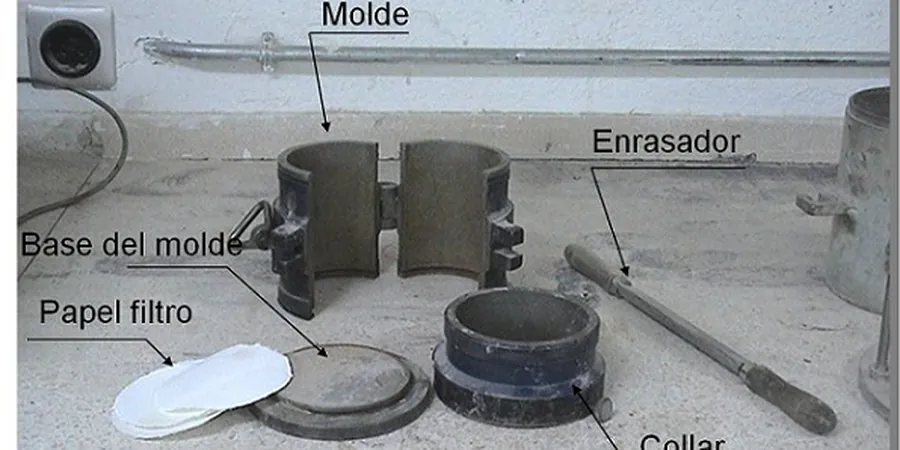
Anchorage soils require Proctor testing to control compaction in glacial till fills, where optimum moisture varies widely by borrow source.
Scope of work
Area-specific notes
In Anchorage we often see fill placed too dry or too wet. A dry fill does not densify under compaction rollers. A wet fill pumps and rutts. Both conditions lead to settlement after construction. The Proctor test identifies the target moisture range. Without it, contractors guess. Guessing causes differential settlement under foundations, pavement cracking, and retaining wall movement. The risk is higher in glacial till soils common in Anchorage. These soils have variable gradation. A single borrow source can produce different compaction curves. We recommend running a Proctor test for each distinct soil type used on site. The cost of a test is small compared to repairing a settled driveway or cracked slab. Skipping this step creates long-term liability.
Standards used
ASTM D698-12 (Standard Proctor), ASTM D1557-12 (Modified Proctor), AASHTO T-99 / T-180 (equivalent methods), IBC 2021 Section 1804.5 (fill compaction requirements)
Linked services
Field Density Testing (Sand Cone & Nuclear Gauge)
We verify in-place density against Proctor maximum dry density using sand cone method or nuclear gauge. Reports show percent compaction and moisture deviation. We serve Anchorage job sites from Muldoon to Girdwood.
Atterberg Limits & Grain Size Analysis
Liquid limit, plastic limit, and sieve analysis help classify soils before Proctor testing. Knowing plasticity and gradation improves compaction curve interpretation. We run these tests on the same sample batch.
CBR (California Bearing Ratio)
CBR measures subgrade strength at Proctor optimum moisture. We compact samples to 95% or 100% of maximum dry density and soak them. Results guide pavement design thickness for Anchorage roads and parking lots.
Moisture-Density Relationship for Stabilized Soils
When lime or cement is added to Anchorage glacial tills, the compaction curve shifts. We run Proctor tests on treated samples to find the new optimum moisture and maximum density. This ensures stabilized layers compact properly.
Typical parameters
Q&A
What is the difference between Standard Proctor and Modified Proctor?
Standard Proctor uses a 5.5-lb hammer with a 12-inch drop and 3 layers, applying 12,400 ft-lbf/ft3 of energy. Modified Proctor uses a 10-lb hammer with an 18-inch drop and 5 layers, applying 56,000 ft-lbf/ft3. Modified Proctor simulates heavier compaction equipment used on highways and airfields. Standard Proctor suits residential fills and light traffic areas.
How much does a Proctor test cost in Anchorage?
A standard Proctor test typically costs between US$90 and US$180 per sample. Modified Proctor runs slightly higher due to additional labor and energy. Volume discounts apply for multiple samples from the same project. We provide a firm quote before testing.
What soil types in Anchorage require Proctor testing?
Any fill material placed for structural support needs Proctor testing. Common Anchorage soils include glacial till, silt, sand, and gravel. Each type has a unique compaction curve. Even within the same borrow pit, gradation varies. We recommend one test per distinct soil layer or borrow source.
How long does a Proctor test take?
The test requires 2 to 4 days. Compaction and weighing take one day. Oven drying takes 16 to 24 hours per moisture point. We plot the curve and deliver a report with maximum dry density and optimum moisture content. Rush service is available for an additional fee.
Can I use the same Proctor curve for multiple lifts on my Anchorage site?
Only if the soil source remains unchanged. If the contractor brings material from a different pit or mixes in a new borrow, the compaction curve changes. We recommend a new Proctor test for each distinct soil type. Using an outdated curve risks under-compaction or over-compaction, leading to settlement.