Anchorage sits on a complex mix of fluvial, glacial, and alluvial deposits, with a deep seasonal frost zone that reaches 1.8 m in some neighborhoods. Designing rigid pavement here demands compliance with AASHTO Guide for Design of Pavement Structures (1993) and ASTM D1586 for subsurface characterization. The combination of freeze-thaw cycles and moderate seismic activity (designated Seismic Design Category D per IBC) makes concrete slab thickness and joint spacing critical decisions. We start every project with a site-specific subgrade evaluation, including CBR tests and frost-susceptibility classification, to define the modulus of subgrade reaction (k-value) that drives the structural design.
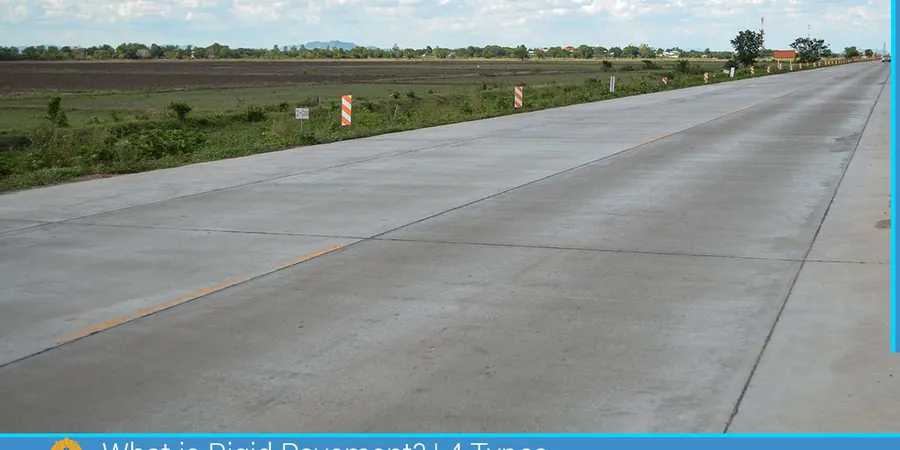
In Anchorage, frost heave can lift a concrete slab more than 50 mm in a single winter if the subgrade is not properly treated with non-frost-susceptible material.
Scope of work
- Subgrade soil classification (ASTM D2487) and frost-susceptibility test (TM-5-818-2 method)
- Determination of design k-value from plate load tests (ASTM D1196)
- Selection of concrete flexural strength (MR) based on traffic load spectra
- Joint spacing calculation to control curling and cracking
Area-specific notes
One issue we see often in Anchorage is that developers try to save on subgrade preparation by placing concrete directly over silty sand with high frost susceptibility. Within two winters, differential heave causes slab corner breaks and faulting at joints. The real risk is not just the initial freeze-thaw cycle but the repeated formation of ice lenses that progressively weaken the subgrade support. We always recommend a minimum 300 mm layer of non-frost-susceptible granular base (with less than 5% passing the No. 200 sieve) before placing the concrete slab. This is especially important in the Bootlegger Cove Formation areas near the coast.
Watch how it works
Standards used
AASHTO Guide for Design of Pavement Structures (1993), ASTM D1196 – Plate Load Test, ASTM D2487 – Soil Classification, IBC 2021 – Seismic Design Category D requirements, TM-5-818-2 – Frost Susceptibility Test
Linked services
Subgrade Evaluation & k-Value Determination
Field plate load tests (ASTM D1196) and laboratory CBR and resilient modulus testing to define the subgrade reaction modulus for each pavement section. We also run frost-susceptibility tests to classify the soil as F1 to F4 per USACE criteria.
Concrete Mix Design & Durability Testing
We design concrete mixes with freeze-thaw resistance and test flexural strength (MR) at 7, 14, and 28 days. Our laboratory also performs air content, slump, and shrinkage tests to ensure long-term performance in Anchorage's climate.
Typical parameters
Q&A
How much does rigid pavement design typically cost for a small Anchorage road project?
For a standard two-lane road section of about 500 linear meters, the geotechnical investigation and pavement design typically range between US$2.160 and US$5.450, depending on the number of plate load tests and subgrade borings required. Larger projects or sites with variable soil conditions may fall outside this range.
What is the biggest challenge for concrete pavement in Anchorage's climate?
Frost heave and thaw weakening are the primary concerns. The long freezing season (October through April) allows ice lenses to form in silty subgrades, lifting slabs unevenly. The solution is to use a non-frost-susceptible base layer and provide adequate drainage to prevent water accumulation beneath the slab.
Do I need a separate seismic analysis for rigid pavement in Anchorage?
The reference range for this service in Anchorage is US$2.160 - US$5.450. The final price depends on the project scope and volume.