Anchorage sits on a mix of glacial till, alluvial deposits, and discontinuous permafrost, which creates a unique drainage puzzle. Winter freezing locks the ground, but spring thaw releases sudden meltwater that can saturate subgrades and undermine foundations if not properly routed. We design drainage systems that handle this seasonal cycle without eroding the soil structure or triggering frost heave. Combining site-specific infiltration testing with the ensayo de permeabilidad gives us the data to model how water moves through these layered soils, ensuring the system works year-round.
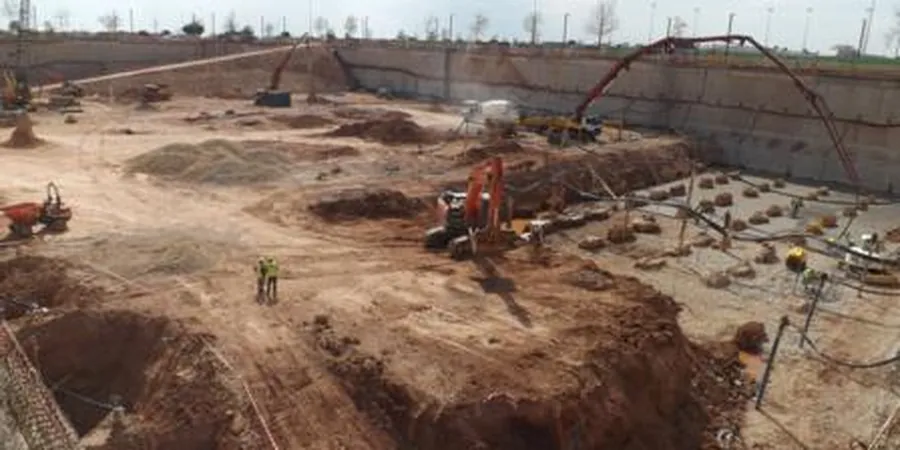
In Anchorage, drainage design must account for seasonal frost, thaw consolidation, and high groundwater to prevent structural damage and slope failure.
Scope of work
Area-specific notes
IBC Chapter 18 and ASCE 7 require that drainage systems prevent hydrostatic pressure buildup against foundations, which is especially critical in Anchorage's freeze-thaw environment. If water is not evacuated before the ground freezes, ice lenses can form beneath slabs and footings, creating heave forces that crack walls and lift floors. Our designs follow ASTM D1586 and D2487 classification to ensure the aggregate filters and pipe bedding remain stable under seasonal moisture changes. We also evaluate the risk of thaw-induced pore pressure spikes that can reduce bearing capacity.
Standards used
IBC 2021 (Chapter 18 – Soils and Foundations), ASCE 7-22 (Chapter 3 – Flood Loads, Chapter 6 – Snow and Rain Loads), ASTM D1586-18 (Standard Test Method for SPT), ASTM D2487-17 (Standard Practice for Classification of Soils for Engineering Purposes)
Linked services
Subsurface Drainage Design
Perimeter drains, curtain drains, and blanket drains sized for Anchorage's seasonal thaw and high water table.
Frost Protection Layers
Design of capillary-break and thermal insulation layers to prevent ice lens formation beneath slabs and footings.
Erosion and Sediment Control
Temporary and permanent drainage measures for construction sites and finished slopes in Anchorage.
Hydrologic Modeling
Runoff calculations using site-specific rainfall data and soil infiltration rates to size retention/detention facilities.
Typical parameters
Q&A
Why is drainage design especially important in Anchorage?
Anchorage's discontinuous permafrost and deep seasonal frost (up to 10 feet) create a high risk of ice lens formation, frost heave, and thaw consolidation. Poor drainage can lead to foundation cracks, slab heaving, and slope failures during the spring melt period.
How much does a geotechnical drainage design study cost in Anchorage?
The typical cost for a drainage design study in Anchorage ranges from US$800 to US$2,580, depending on site area, number of test pits or boreholes, and complexity of the groundwater system. This includes laboratory testing, hydraulic modeling, and a design report.
What standards do you follow for drainage design in Anchorage?
We design to IBC 2021, ASCE 7-22, and ASTM standards D1586 and D2487 for soil classification. For permafrost sites, we reference USACE and FHWA guidance on thermal insulation and thaw settlement analysis.