Working in Anchorage, we see that contaminated soil isn't just a regulatory headache — it's a structural problem waiting to happen. The combination of historical fuel spills at old military sites, leaking underground storage tanks in the downtown core, and naturally occurring arsenic in the glacial till means that every brownfield redevelopment in this city starts with a careful assessment. Before we even talk about remediation, we always run a georradar survey to map buried utilities and potential underground storage tanks. That step alone saves clients from hitting an abandoned fuel line during excavation, which happens more often than most developers expect.
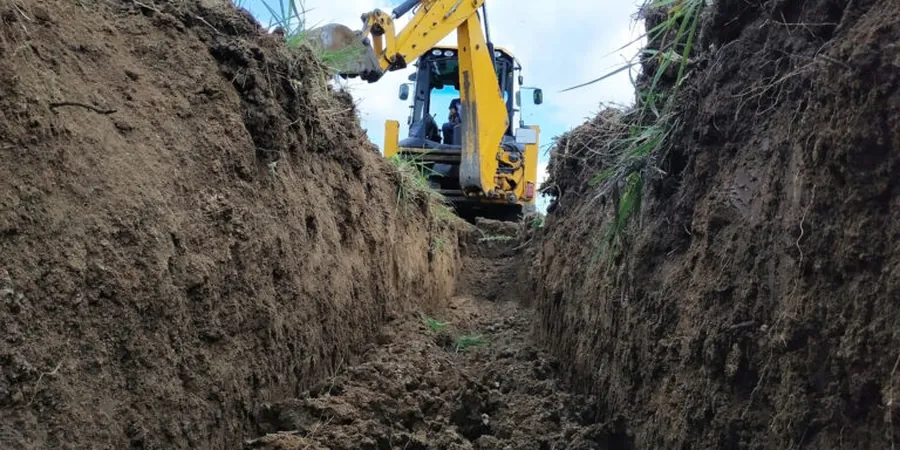
The combination of permafrost legacy, high groundwater, and historic fuel spills makes Anchorage one of the most technically demanding cities for contaminated soil remediation in the United States.
Scope of work
Area-specific notes
The freeze-thaw cycle in Anchorage — we get 120+ days below freezing — creates a unique risk for remediation projects. If you excavate contaminated soil in November and don't backfill before the ground locks up, the exposed subgrade can heave and crack adjacent foundations. We saw that happen on a redevelopment near Merrill Field where the contractor left an excavation open over the winter; the adjacent pavement slab lifted 4 inches. Our team always sequences remediation work to complete excavation, backfill, and compaction before the first hard frost, or we use insulated blankets and temporary heating if the schedule forces a winter dig.
Standards used
ASTM D2974 (moisture/ash/organic content), EPA SW-846 (Test Methods for Evaluating Solid Waste), ADEC 18 AAC 75 (Oil and Other Hazardous Substances), IBC Chapter 18 (Soils and Foundations)
Linked services
Phase I & II Environmental Site Assessments
Historical records review, subsurface sampling, and laboratory analysis to identify contamination extent. We follow ASTM E1527-21 for Phase I and use direct-push rigs for Phase II soil and groundwater collection.
In-Situ Chemical Oxidation (ISCO)
Injection of catalyzed hydrogen peroxide, sodium persulfate, or permanganate into the subsurface to destroy petroleum hydrocarbons and chlorinated solvents. Effective for the silt-rich soils of midtown Anchorage when combined with pneumatic fracturing.
Excavation & Off-Site Disposal
For hot spots or shallow contamination, we excavate and transport soil to permitted landfills. We coordinate with the Anchorage Regional Landfill and maintain proper manifesting per ADEC requirements.
Biopile & Land Treatment
Engineered soil piles with aeration, nutrient amendment, and moisture control to stimulate aerobic biodegradation. Ideal for the petroleum hydrocarbons common at former gas stations along Spenard Road.
Typical parameters
Q&A
How long does a typical contaminated soil remediation project take in Anchorage?
A small excavation at a former dry cleaner site might take 3 to 5 weeks including sampling, excavation, and backfill. A larger brownfield redevelopment with soil vapor extraction can run 6 to 18 months, especially if winter shutdowns interrupt the work. The timeline depends heavily on the contaminant type, soil permeability, and the cleanup target set by ADEC.
What is the difference between in-situ and ex-situ remediation, and which is better for Anchorage soils?
In-situ treats contamination without excavating — injecting oxidants or extracting vapors — which works well in the permeable gravels of the Hillside area. Ex-situ requires digging the soil out and treating it on a pad or hauling it off, which is often necessary for the low-permeability silts near Ship Creek where injected chemicals won't travel far enough. We choose based on site geology, contaminant depth, and project deadline.
Do I need a separate geotechnical investigation before remediation?
The reference range for this service in Anchorage is US$3.310 - US$13.730. The final price depends on the project scope and volume.